Yoga Teacher Training in Rishikesh: Curriculum Design, Skill Acquisition, and Professional Readiness
Wiki Article
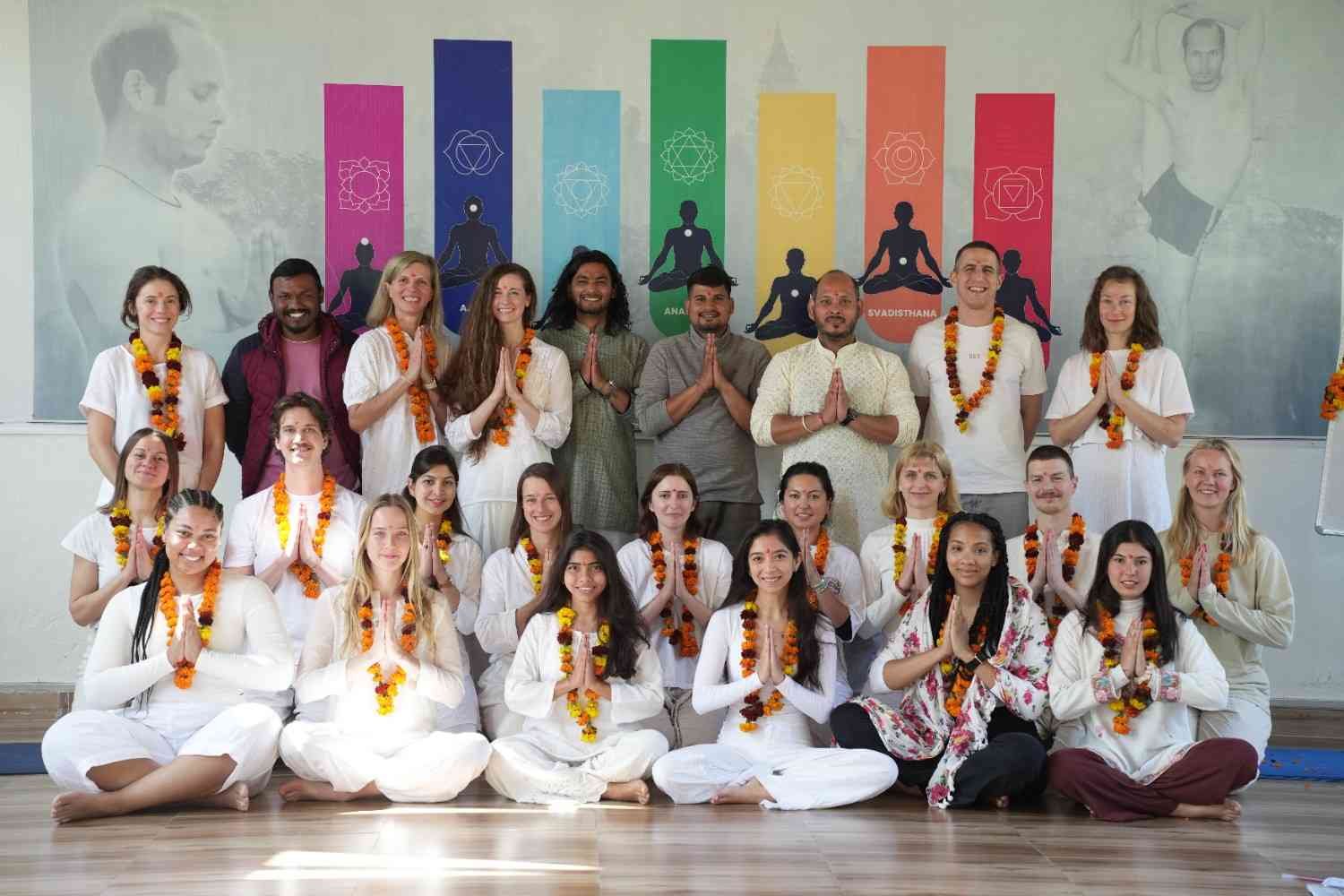
Rishikesh has emerged as a standardized hub for yoga education, offering teacher training programs that follow a structured methodology. These programs are designed to convert a regular practitioner into a competent instructor through a combination of physical training, theoretical study, and applied teaching practice. Yoga teacher training in Rishikesh is not casual learning; it is a process-driven system with defined inputs, routines, and outcomes.
Training Levels and Progression Model
Yoga teacher training in Rishikesh is typically divided into three levels: 100-hour, 200-hour, and 300-hour certifications. Each level corresponds to a stage in skill acquisition.
The 100-hour course introduces the basics of yoga, including foundational postures, breathing techniques, and meditation practices. It serves as an entry point for beginners.
The 200-hour course is the primary certification required for teaching yoga. It provides comprehensive coverage of both practical and theoretical components, making it the most widely pursued program.
The 300-hour course is an advanced level designed for individuals who have completed a 200-hour certification. It focuses on advanced techniques, deeper theoretical study, and refinement of teaching skills.
Curriculum Architecture
The curriculum in yoga teacher training programs is designed to cover multiple domains of learning, ensuring balanced development.
Asana Training
Students are trained in traditional yoga styles such as Hatha and Ashtanga. The emphasis is on alignment, posture sequencing, and controlled transitions. This builds physical strength, flexibility, and coordination.
Pranayama
Breathing techniques are introduced to regulate energy flow and improve concentration. These practices contribute to both physical endurance and mental stability.
Meditation
Regular meditation sessions help students develop focus, awareness, and emotional control. This component supports long-term mental discipline.
Yoga Philosophy
Students study classical teachings that define the ethical and conceptual framework of yoga. This helps in understanding yoga beyond physical exercise.
Anatomy and Physiology
Knowledge of body mechanics is essential for safe practice. Students learn about muscle engagement, joint movement, and injury prevention.
Teaching Methodology
This component focuses on practical teaching skills. Students learn class structuring, verbal cueing, and student management through hands-on practice.
Daily Schedule and Execution
A yoga teacher training program in Rishikesh follows a fixed daily schedule designed for maximum efficiency. Mornings begin with meditation and pranayama, followed by an asana session. These early activities establish physical readiness and mental focus.
After breakfast, students attend theoretical classes covering philosophy and anatomy. Afternoon sessions include workshops, alignment correction, and teaching practice. Evenings are typically reserved for relaxation or self-study.
This routine ensures consistent exposure to all aspects of training and supports steady progress.
Residential Model and Learning Conditions
Most yoga teacher training programs in Rishikesh are residential. Accommodation and meals are included to eliminate external distractions and maintain focus on training. Living conditions are generally simple and aligned with a minimalistic lifestyle.
Meals are vegetarian and designed according to yogic dietary principles. This supports both physical health and mental clarity.
The surrounding environment plays a critical role in the learning process. The calm and structured setting allows students to concentrate and engage fully with the training.
Skill Acquisition and Performance Metrics
Yoga teacher training in Rishikesh Sound Healing Training Course in Rishikesh India emphasizes measurable skill development. Students are evaluated through practice teaching, participation, and understanding of theoretical concepts.
By the end of the course, students are expected to demonstrate:
Correct alignment and execution of key postures
Ability to design and sequence a yoga class
Clear and structured verbal instruction
Adaptation of practices for different student levels
Confidence in leading a complete session
These outcomes indicate readiness for professional teaching.
Professional Pathways After Certification
Completing a yoga teacher training course in Rishikesh enables multiple career options. Graduates can work as instructors in yoga studios, wellness centers, or fitness facilities. Many also choose to offer private sessions or conduct online classes.
Further specialization is possible through advanced certifications, focusing on areas such as therapeutic yoga, advanced practice, or meditation instruction. Some individuals integrate yoga into broader wellness or coaching professions.
Conclusion
Yoga teacher training in Rishikesh follows a structured and process-oriented approach that ensures consistent learning outcomes. By combining physical practice, theoretical knowledge, and practical teaching experience, these programs prepare students for both Sound Healing Training Course in Rishikesh India personal development and professional application. The disciplined routine, comprehensive curriculum, and immersive environment make Rishikesh a reliable destination for serious yoga education.